What to Know About Lead Paint Before Repainting an Older Connecticut Home
Older Connecticut homes have a lot of character. In places like Hartford, West Hartford, Wethersfield, Glastonbury, and other parts of Greater Hartford, many houses were built long before modern paint standards. That often means original trim, older siding, detailed porches, painted windows, and surfaces that may have been coated many times over the years.
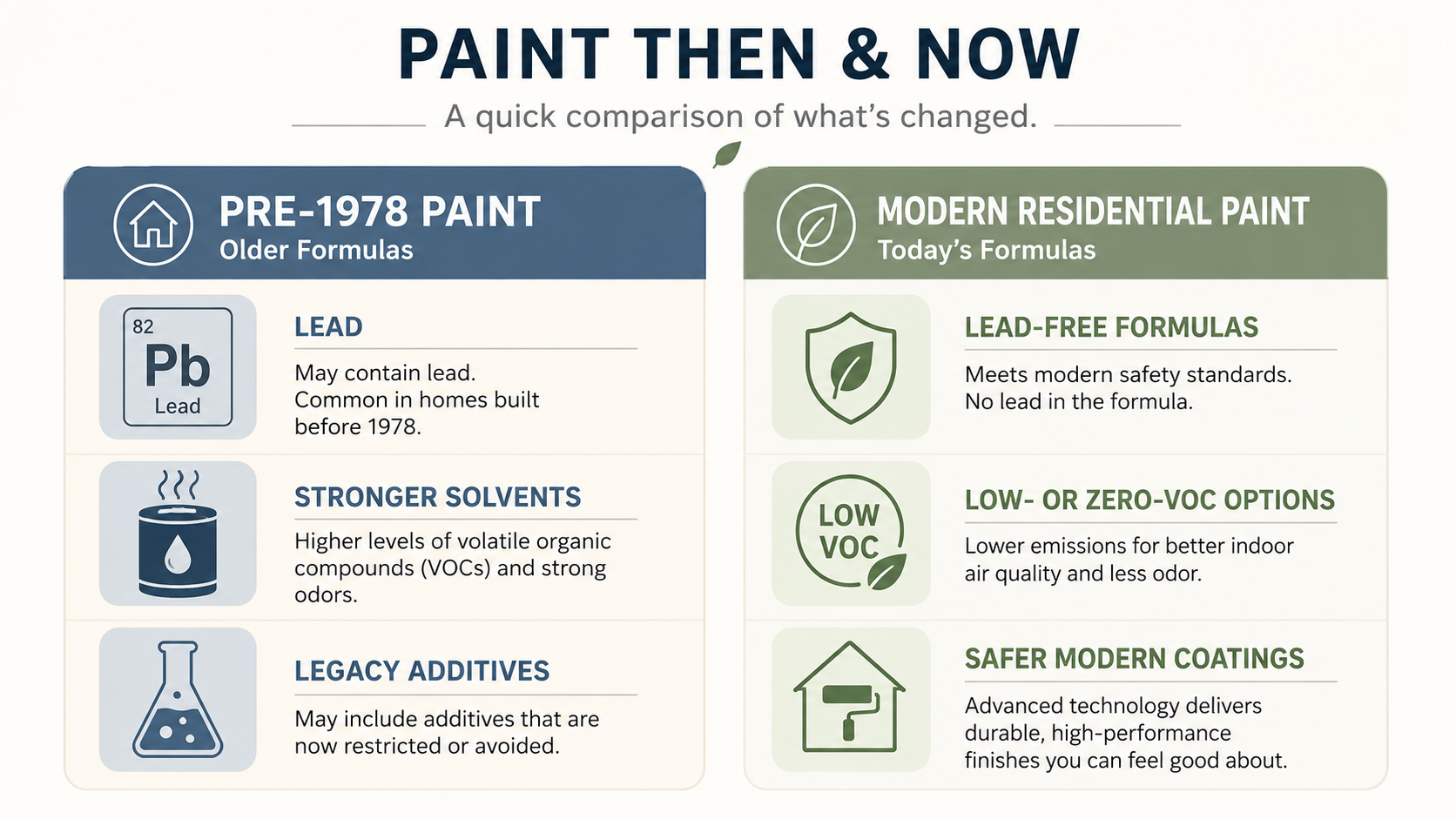
Lead-based paint was banned for residential use in the United States in 1978. If your home was built before that year, lead paint may be present under newer layers. This does not mean your home cannot be repainted or improved. It means the work needs to be planned carefully, especially if old paint is peeling, cracking, chipping, or being disturbed during preparation.
For homeowners planning interior or exterior painting, the goal is to protect the home, protect the people living in it, and still get a clean, long-lasting result. Understanding the basics of lead paint, testing, prep work, and lead-safe painting can help you make better decisions before a project begins.
Why Lead Paint Is Still a Concern in Older Connecticut Homes
Lead-based paint was used for many years because it was durable and helped paint hold color well. Many pre-1978 homes still have older coatings beneath newer paint, especially on windows, doors, trim, porches, railings, and exterior siding.
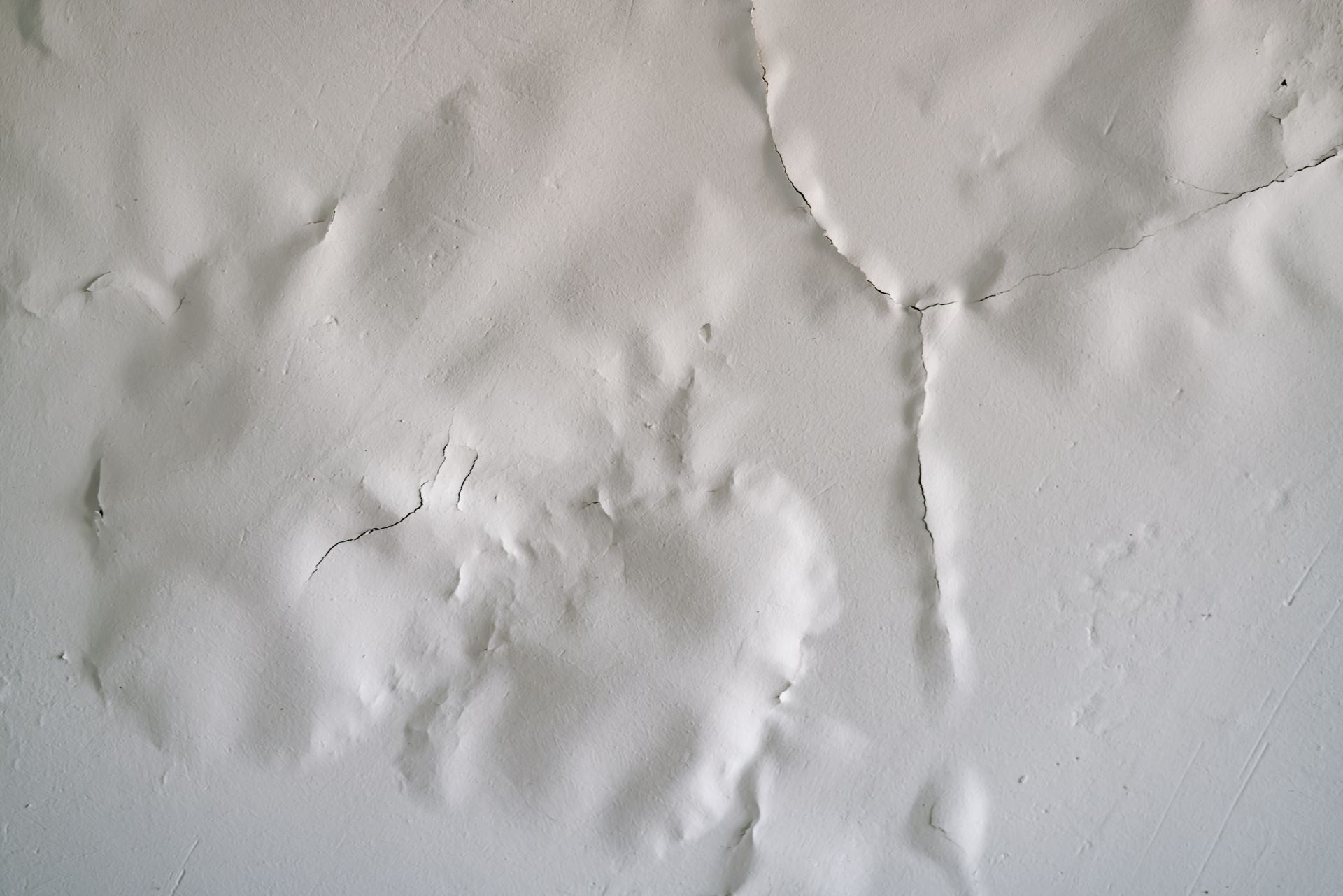
The concern is not simply that old lead paint exists. The concern is what happens when it breaks down or gets disturbed. Peeling paint, cracking paint, old friction surfaces, sanding, scraping, and renovation work can release lead dust or paint chips. That dust can settle on floors, windowsills, soil, furniture, and other areas where families spend time.
That is why lead paint in older homes needs to be handled differently than regular repainting. When homeowners search for lead paint Connecticut or lead paint Hartford CT, they are usually trying to understand if the project can still move forward safely. In many cases, it can, but the condition of the paint and the preparation method matter.
Who Is Most at Risk from Lead Paint?
Lead exposure can affect anyone, but children under 6 and pregnant women are usually the greatest concern. Young children are more likely to touch floors, windowsills, trim, and dusty areas, then put their hands in their mouths. Their bodies are still developing, which makes lead exposure more serious.
Pregnant women also need to avoid lead dust and paint debris. If an older home is being repaired, painted, or renovated, the work area should be contained, dust should be controlled, and cleanup should be handled correctly.
This does not mean families should panic because they live in an older home. It means deteriorating paint and unsafe preparation methods should be taken seriously. A safer painting plan starts before sanding, scraping, or repairs begin.
Common Trouble Spots Around Older Homes
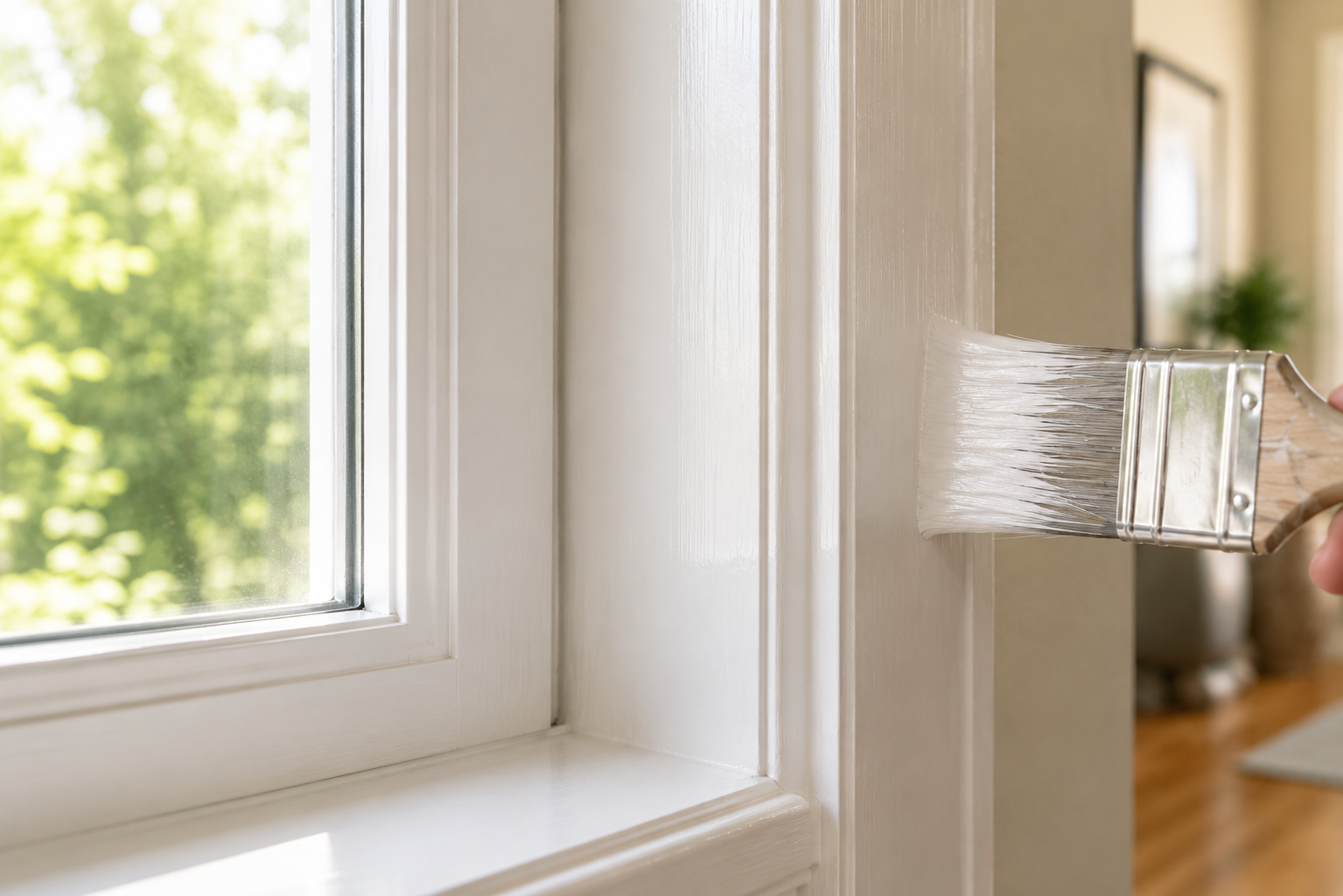
Lead paint is often found on surfaces that were painted often or handled frequently. Windows are one of the most common trouble spots because opening and closing old sashes can create friction. That friction can wear paint down and create dust over time.
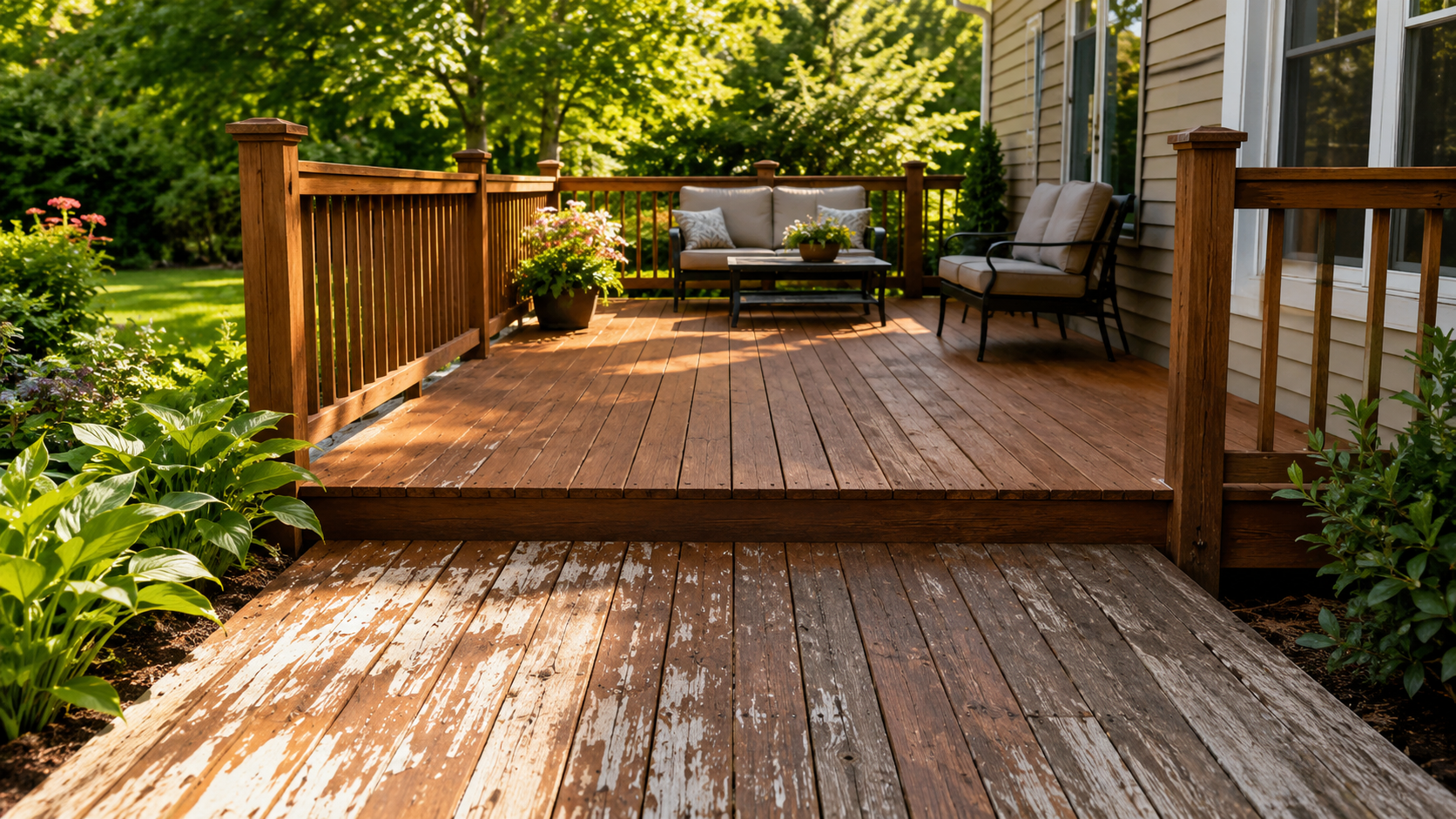
Doors, door frames, baseboards, stair railings, banisters, porches, columns, and exterior trim are also common areas to check. Outside, peeling paint can fall into soil, landscaping, walkways, and entry areas. Inside, dust can collect around window wells, floors, and trim.
These areas should be looked at closely before painting older homes Connecticut homeowners want to preserve. A good painting project starts with knowing which surfaces are stable and which ones need lead-safe preparation before new paint goes on.
What the EPA RRP Rule Means for Homeowners
The EPA RRP rule, also known as the Renovation, Repair and Painting Rule, applies to many paid renovation, repair, and painting projects that disturb paint in homes built before 1978. The rule is designed to reduce lead dust during work and requires certified contractors to use lead-safe practices when covered work is performed.
For homeowners, this matters because painting is not always just painting. If the project involves scraping, sanding, repairing painted surfaces, removing old coatings, or disturbing older paint, lead-safe practices may be required.
Connecticut also has state-level lead regulations and guidance through the Department of Public Health. Routine lead-safe painting and full lead abatement are not the same thing. Abatement is a more specialized process meant to permanently address lead hazards. A repainting project may involve lead-safe preparation, containment, and cleanup without being a full abatement project.
What Not to Do Yourself
The biggest mistake homeowners can make is disturbing old paint without understanding the risk. Dry sanding, aggressive scraping, power sanding, grinding, or using open-flame stripping can create fine dust and debris that spread quickly.
Regular household cleanup methods can also make the problem worse. Sweeping lead dust or using a standard household vacuum can send small particles back into the air. Lead-safe cleanup requires the right containment, cleaning methods, and equipment, including HEPA-rated vacuuming when needed.
Power washing a pre-1978 exterior should also be handled carefully. It can spread paint chips into soil, gardens, walkways, and nearby areas. If you suspect lead paint in older homes, avoid starting prep work until you know how the surface should be handled.
Is It Safe to Paint Over Lead Paint?
Painting over lead paint can be safe when the existing paint is intact, stable, and prepared with lead-safe methods. The condition of the surface matters most. Paint that is peeling, cracking, bubbling, chalking, or separating from the surface should not simply be covered and ignored.
Painting over lead paint is different from removing it. If the old coating is sound, new paint or an approved coating system may help seal the surface and improve the appearance. If the paint is failing, the surface needs more careful preparation, repair, encapsulation, removal, or replacement.
This is why it helps to work with painters who understand older homes. Capital Painters can look at the condition of your surfaces and recommend the right approach for residential interior painting or exterior repainting.
Encapsulation, Repainting, Removal, and Replacement
Homeowners often hear several terms when researching lead paint removal, and they do not all mean the same thing. Repainting usually means preparing the surface and applying new paint. Encapsulation means using a special coating designed to seal lead paint beneath a protective layer. Removal means taking lead-containing paint off the surface or removing the painted component entirely.
The right option depends on the surface. A stable wall may need a different approach than a peeling window frame. A door that creates dust every time it opens may need a different plan than exterior siding with minor wear.
Replacement can also be part of the conversation. In some older homes, replacing certain windows, doors, or damaged trim may make more sense than repeated repairs. A painting professional can help determine what is reasonable for the project and when a lead specialist may be needed.
How Lead Paint Testing Works
Lead paint testing helps homeowners understand what they are dealing with before work begins. Some homeowners use store-bought test kits for an early screening, but those tests have limits. They may help identify the presence of lead in one spot, but they do not always give the full picture.
Professional testing may be recommended before larger projects, especially when older painted surfaces will be disturbed. Testing can show which areas contain lead so the work can be planned correctly.
This matters because one part of a home may be different from another. A newer addition may not have the same paint history as original trim, siding, doors, or windows. Testing reduces guesswork and helps create a safer plan.
Repainting the Exterior of an Older Connecticut Home
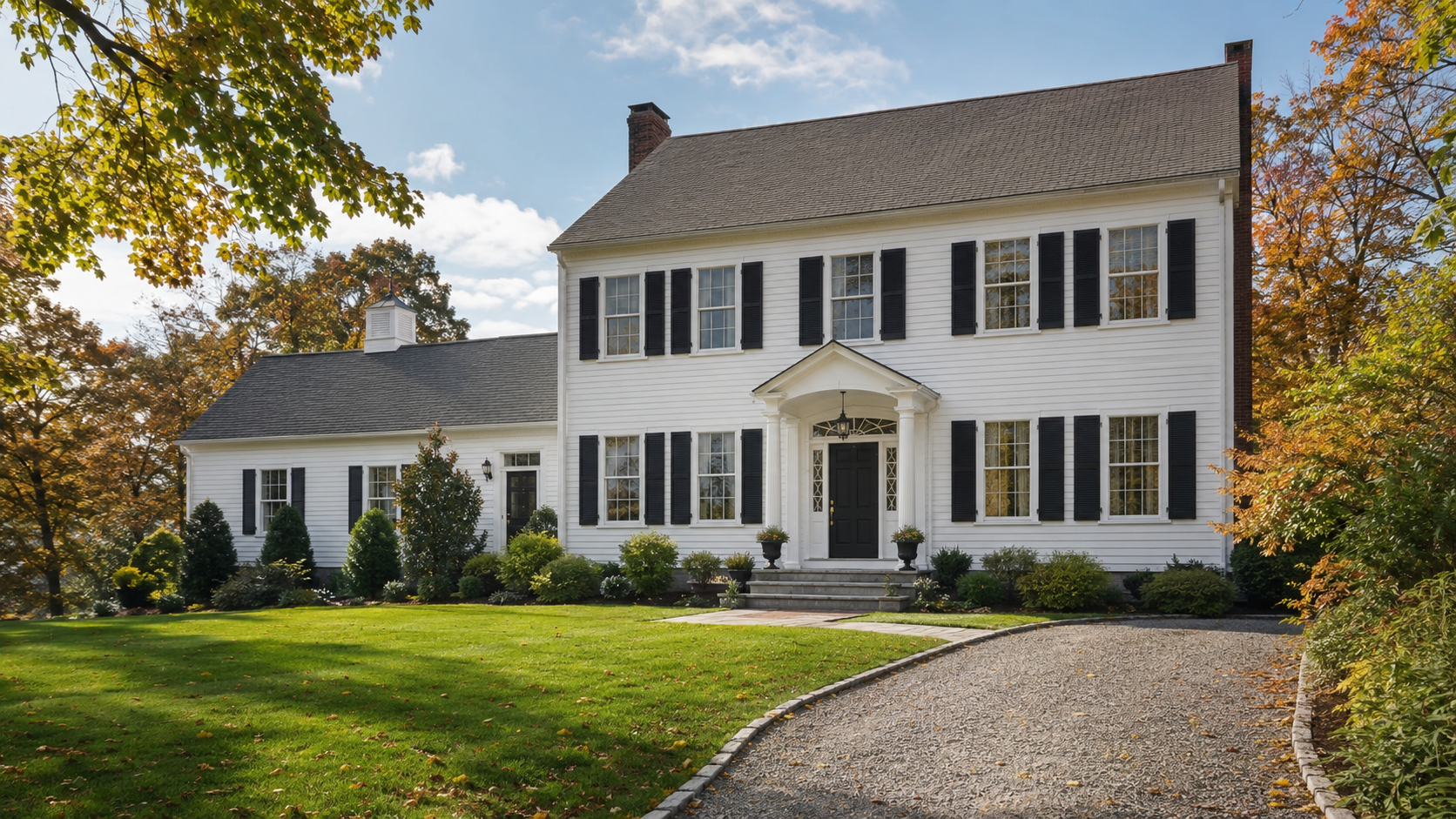
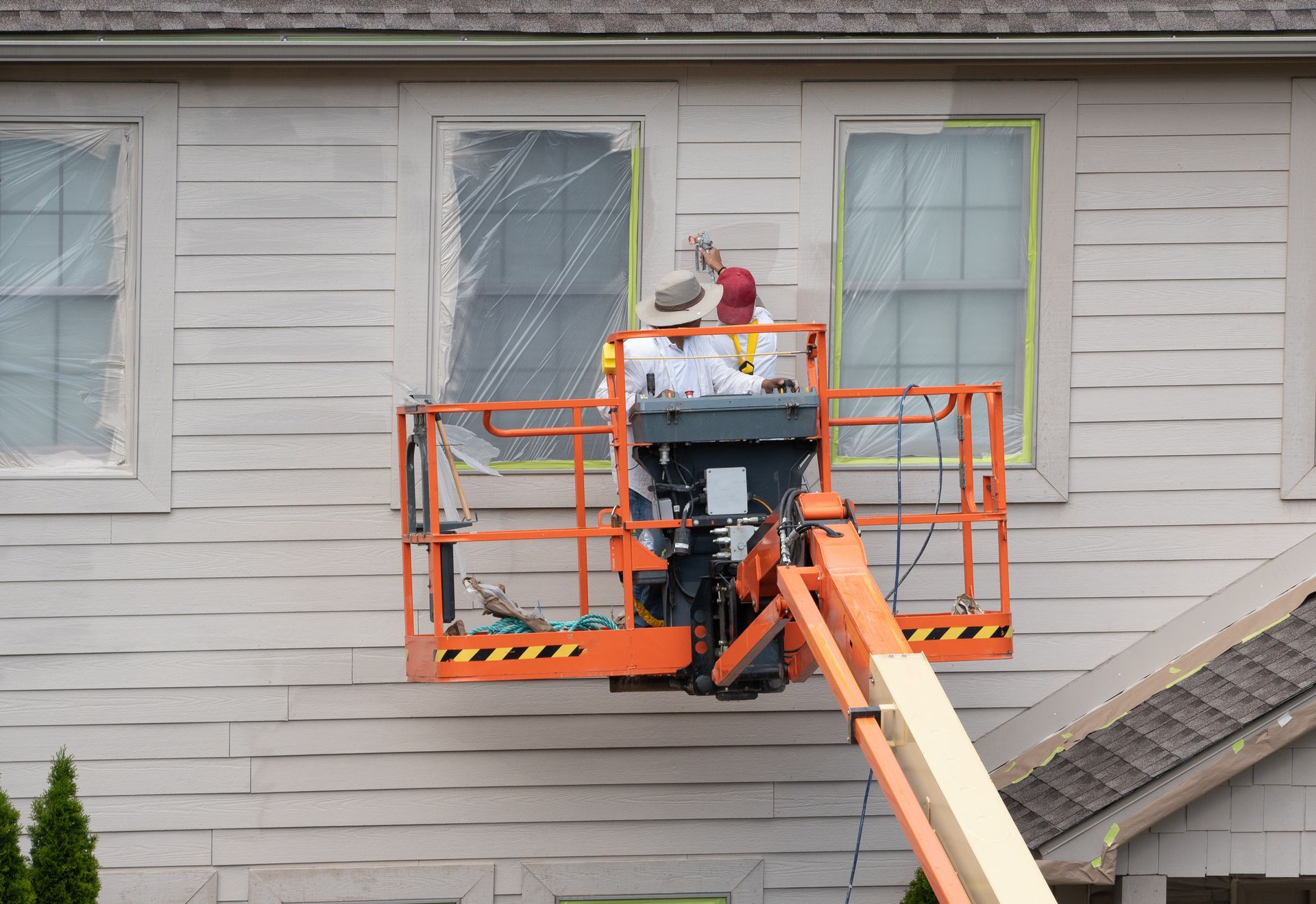
Exterior painting on older homes needs careful preparation because loose paint can spread beyond the immediate work area. Chips and dust can move into soil, garden beds, walkways, porches, and entry points. That is why containment, surface review, and cleanup are important before the new finish is applied.
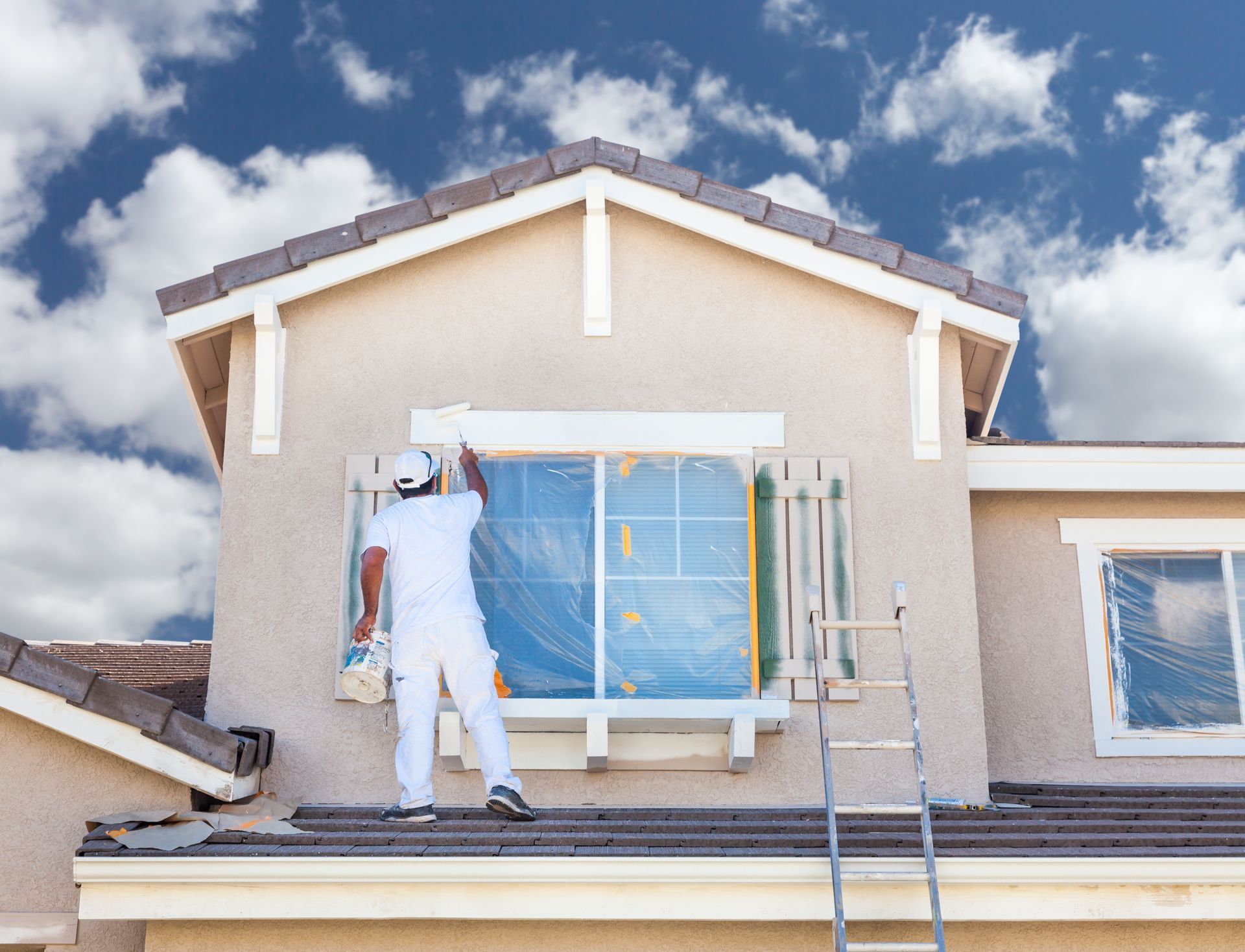
A careful exterior repaint starts with the condition of the existing paint. Loose or failing areas need to be handled safely. Damaged wood may need repair. Older siding, porches, columns, railings, and trim should be prepared without spreading debris around the property.
Capital Painters works with homeowners throughout Greater Hartford who want older homes repainted with care. If you are planning residential exterior painting, it helps to choose a team that understands the extra steps involved in painting older homes safely.
Why Lead-Safe Painting Matters for Interior Projects
Interior painting can create lead dust when older paint is disturbed inside living areas. Sanding trim, repairing plaster, scraping old paint, or working around windows can release dust onto floors, furniture, vents, and nearby rooms.
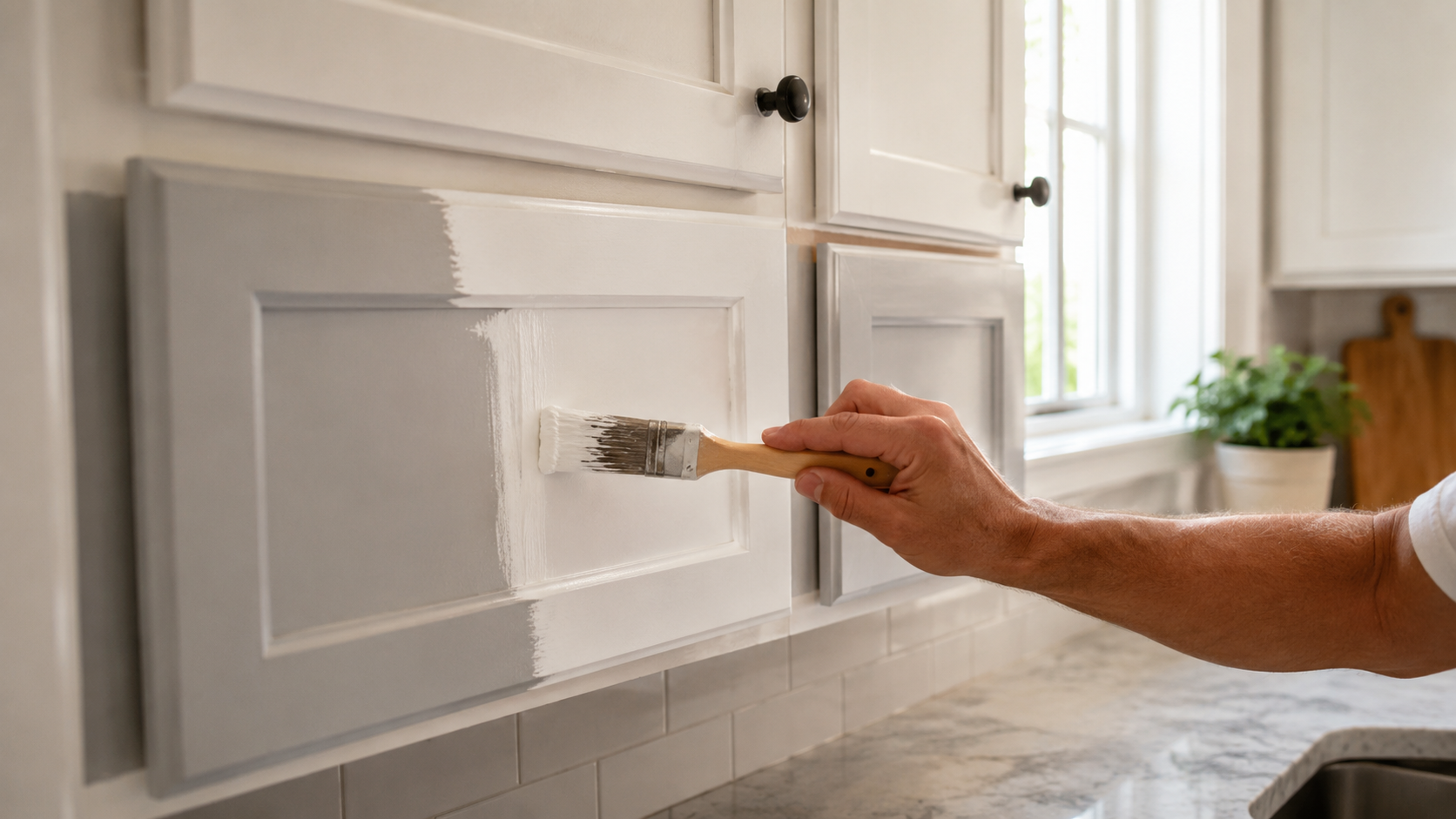
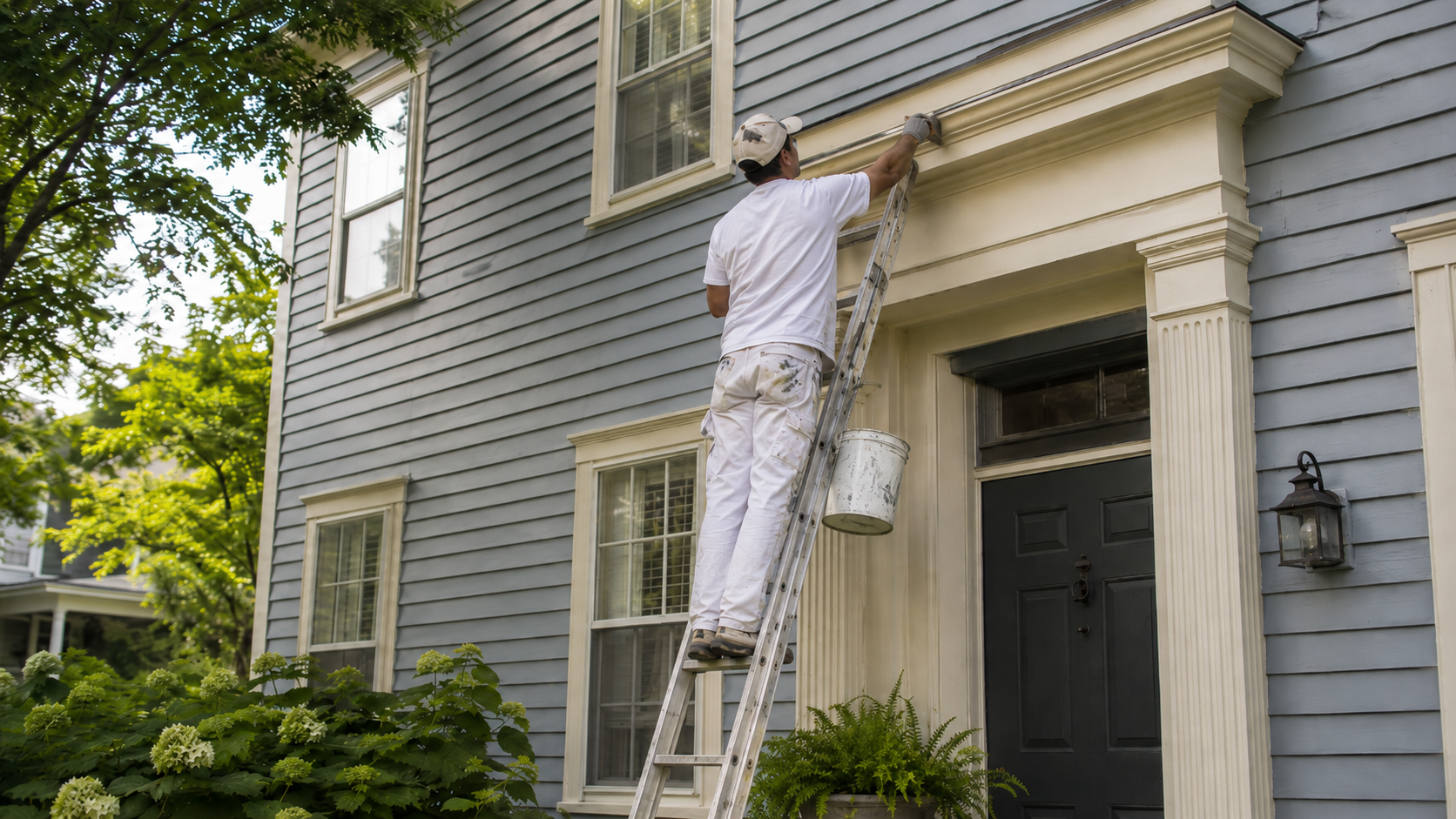
Lead-safe painting focuses on control. That means protecting the work area, reducing dust, using safer preparation methods, and cleaning carefully when the work is complete. These steps help protect the people living in the home while still allowing the project to move forward.
For homeowners searching for lead safe painters CT, it is important to ask direct questions. Ask how the company handles pre-1978 homes, what lead-safe practices they follow, and when testing or specialized abatement may be needed. If a contractor is EPA Lead-Safe certified, that is a valuable trust signal. If certification is not confirmed, avoid assumptions and focus on whether the right practices and referrals are being used.
Repainting an Older Home the Right Way
Lead paint concerns should not stop homeowners from improving an older home. Many Connecticut homes have been updated successfully while preserving their original character. The important part is knowing when extra care is needed and avoiding unsafe prep methods.
If you enjoy seeing older homes restored with thoughtful exterior work, our related article, Giving New Life to Older Homes With Exterior Painting, shares more about how paint can help bring character back to an older property.
Capital Painters helps homeowners throughout West Hartford, Hartford, Wethersfield, Glastonbury, and the Greater Hartford area plan interior and exterior painting projects with care. From historic trim to older siding, porches, and living spaces, our team understands the importance of preparation, communication, and a clean finished result.
If you are concerned about lead paint, repainting a pre-1978 home, or choosing the safest next step, contact Capital Painters today to request an estimate. We can talk through your project, look at the condition of your surfaces, and help you plan the right approach.
Frequently Asked Questions
Is it safe to paint over lead paint?
It may be safe to paint over lead paint if the existing paint is intact, stable, and prepared correctly. Peeling, cracking, or damaged paint should be evaluated before repainting.
How do I know if my home has lead paint?
Homes built before 1978 may contain lead paint. Testing is the best way to know for sure, especially before sanding, scraping, repairs, or repainting.
What is the EPA RRP rule?
The EPA RRP rule applies to many paid renovation, repair, and painting projects that disturb paint in homes built before 1978. It requires certified contractors and lead-safe practices for covered work.
What should I avoid doing myself?
Avoid dry sanding, aggressive scraping, power sanding, grinding, open-flame stripping, sweeping dust, or using a regular household vacuum on paint debris that may contain lead.
Is lead paint removal always required?
No. Full lead paint removal is not always required. Depending on the condition of the surface, repainting, encapsulation, repair, or replacement may be options.
Should I test for lead paint before repainting?
Testing is a smart step if your home was built before 1978, especially if paint is peeling, repairs are planned, or painted trim, windows, doors, or siding will be disturbed.