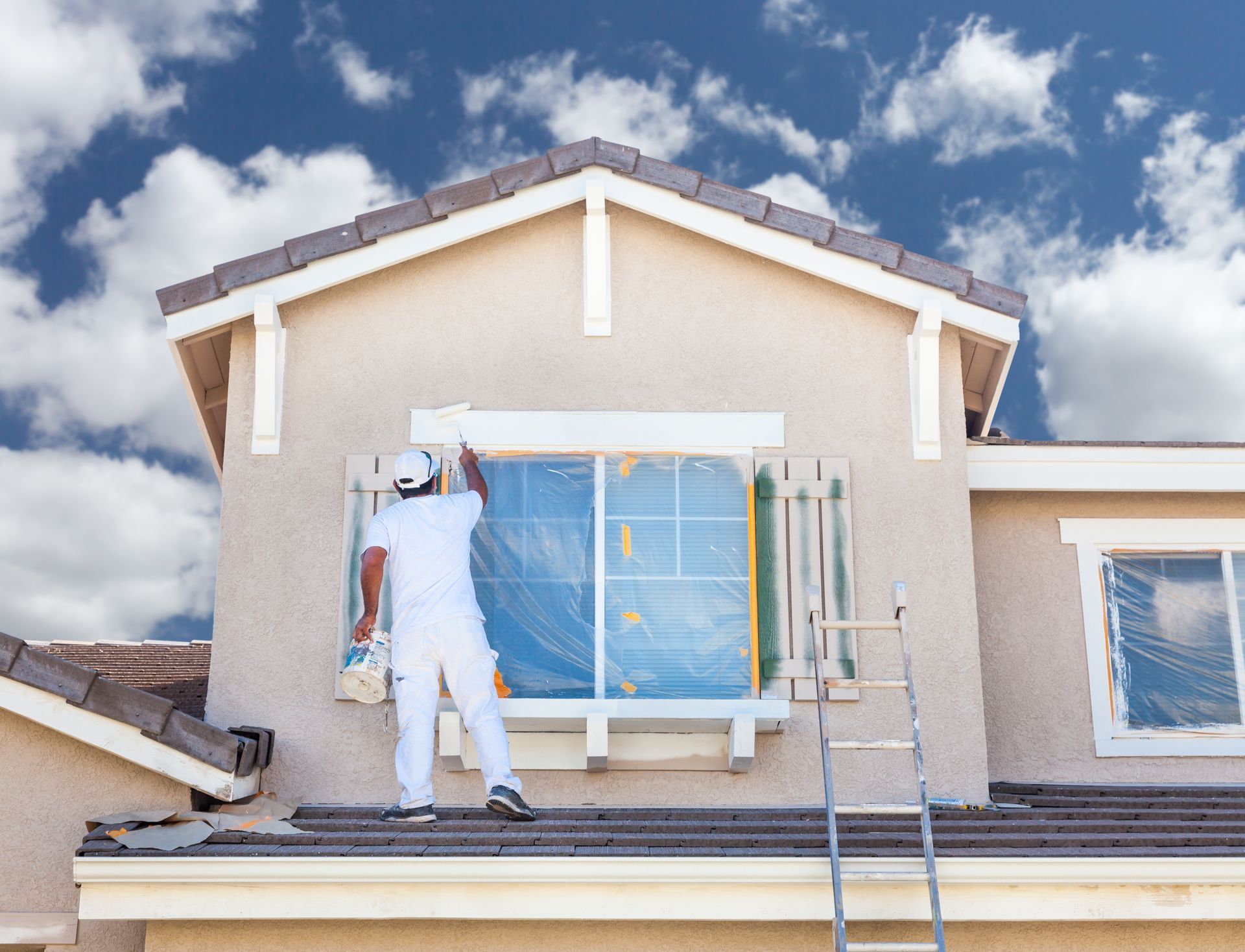
Common Interior Paint Problems and How to Avoid Them
Painting the inside of your home can make a huge difference in how it looks and feels. Fresh paint can brighten a room, make it feel cleaner, and help everything feel pulled together. But over time, many homeowners start to notice issues with their walls that don’t look quite right anymore. Peeling paint, cracks, bubbles, fading, and stains are all common problems we see in homes across Western MA and CT.
The good news is that most paint problems have clear causes, and many can be avoided with the right prep and care. Knowing what leads to these issues can help you decide whether a simple touch-up is enough or if it’s time to call experienced residential painters to help get things back on track.
Peeling Paint on Interior Walls
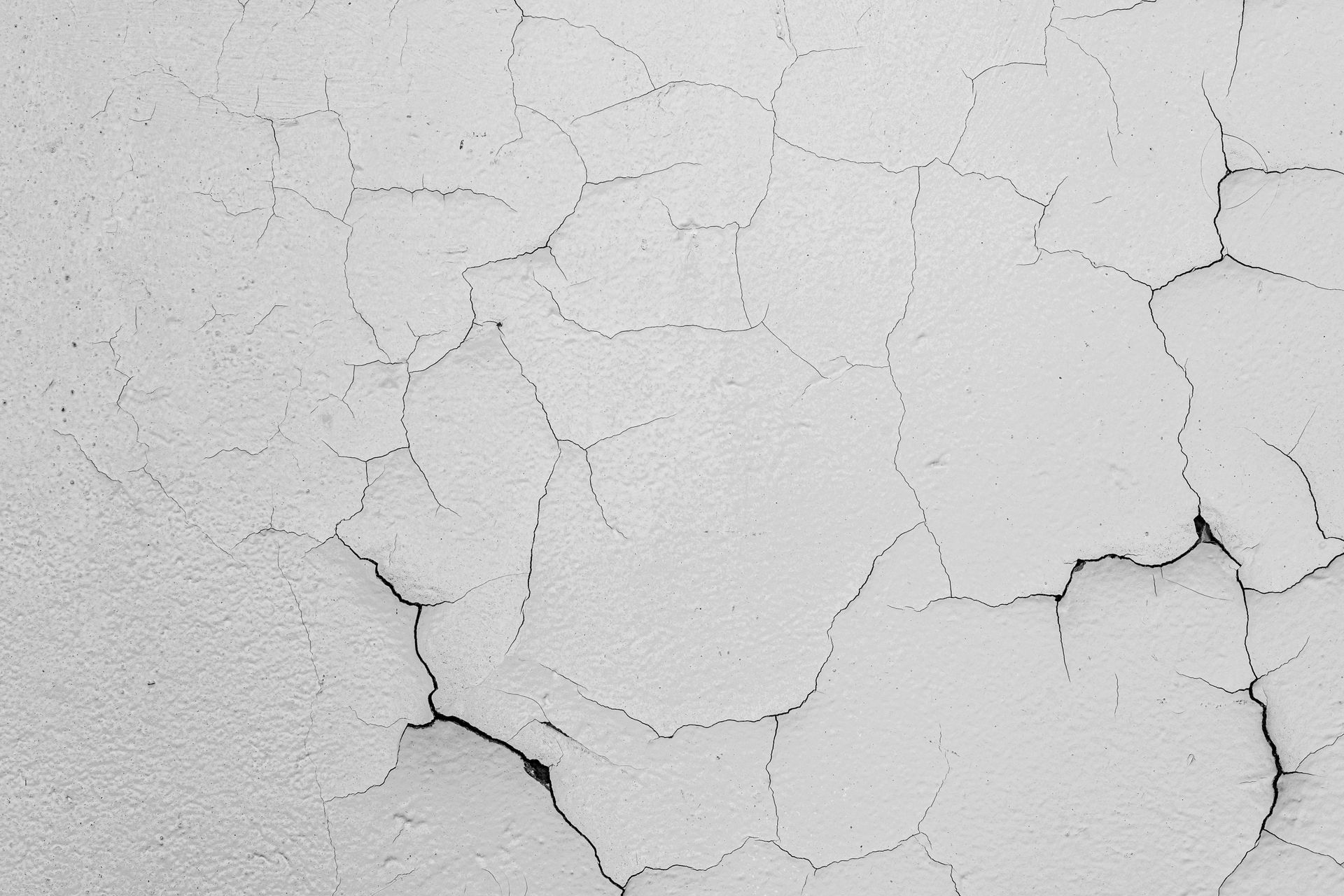
Peeling paint is one of the most common issues homeowners run into. You may notice paint lifting away from the wall, especially around windows, doors, or bathrooms. When this happens, it usually means the paint never fully bonded to the surface underneath.
This often starts with poor prep. If walls weren’t cleaned before painting, dirt or grease can stop paint from sticking. Moisture can also play a role, especially in kitchens, bathrooms, or basements. Even small amounts of moisture behind the wall can slowly cause paint to loosen over time.
To avoid peeling, walls need to be clean, dry, and properly primed before painting. Using the right paint for the space also matters. When peeling has already started, repainting the area the right way is often the best solution to keep the problem from coming back.
Cracking Paint Over Time
Cracks in paint can show up as thin lines that spread across walls or ceilings. This usually happens slowly and becomes more noticeable as time goes on. Many homeowners assume cracking is just part of aging paint, but there are usually other reasons behind it.
One common cause is applying paint too thick. When layers are heavy, the surface dries faster than the paint underneath, which can lead to cracks later on. Older homes can also experience small shifts that stress painted surfaces, especially around corners and seams.
Preventing cracks starts with proper prep and using the right amount of paint. Thin, even coats help paint move naturally with the surface underneath. If cracking is already visible, repainting with the right method can restore a smooth look and help prevent future issues.
Paint Bubbles and Blistering
'Bubbles or blisters in paint can be frustrating to see, especially when they appear not long after a paint job. These raised spots usually form when air or moisture gets trapped under the paint surface.
This often happens when paint is applied to damp walls or when rooms don’t have enough airflow during the painting process. Bathrooms and kitchens are common places where bubbling shows up. Painting over surfaces that weren’t fully dry can also cause this problem.
Avoiding bubbles means making sure walls are completely dry before painting and allowing enough time between coats. Using quality paint and proper primers also helps create a stronger bond. When bubbling appears, removing the damaged paint and repainting the area correctly is usually needed.
Fading Paint in Living Spaces
Fading is another issue many homeowners notice over time. Walls may start to look dull or uneven, especially in rooms that get a lot of natural light. Sun exposure is one of the biggest reasons paint color slowly changes.
Lower-quality paint can fade faster, especially in bright rooms. Heat and lighting can also affect color over time, even indoors. Some shades simply don’t hold up as well if the paint wasn’t designed for long-term color stability.
Choosing quality paint and the right finish helps slow fading. If your walls already look uneven or washed out, a fresh coat can bring the room back to life and give it a clean, consistent look again.
Stains Showing Through Paint
Stains on interior walls can come from many sources. Water marks, smoke, grease, or everyday wear can all leave marks that show through paint. Sometimes homeowners repaint only to see stains reappear weeks later.
This usually happens when stains aren’t sealed before painting. Regular paint alone may not block marks from coming through. Without proper prep, stains can bleed into new paint and ruin the final look.
Here are some common signs staining may be an issue:
- Yellow or brown spots that return after painting
- Dark areas near ceilings or corners
- Marks around vents or light fixtures
- Discoloration near windows or doors
Using the right primer is key to blocking stains. Once sealed, paint can go on smoothly and stay looking clean.
Why Paint Problems Keep Coming Back
Many paint issues return because the original cause was never fully addressed. Covering up damage without fixing moisture, prep, or surface problems often leads to repeat issues. This can become frustrating for homeowners who feel like they are constantly touching up the same areas.
Taking the time to do things the right way makes a big difference. Proper prep, quality materials, and experienced application all work together to create results that last. This is where working with professional residential painters can save time and stress.
How We Can Help Fix and Prevent Paint Issues
If you’re dealing with peeling, cracking, bubbles, fading, or stains, you don’t have to figure it out on your own. Our team works with homeowners throughout Western MA and CT to fix paint problems and prevent them from returning.
We take care of surface prep, repairs, priming, and painting so everything looks the way you expect. Whether you want to repaint one room or update your entire home, we help guide you through the process and make sure the job is done with care.
If your walls are showing signs of wear or you’re ready for a fresh look, we’re here to help. Contact us today to talk about your interior painting project and see how our residential painters can bring your vision to life.