Interior Trim Painting: A Connecticut Homeowner’s Guide
Most homeowners think about the walls first when they want to refresh a room. Then the new wall color goes up, and the trim suddenly looks older than it did before. Baseboards look yellowed. Door frames show scuffs. Window casing looks dull. The room may be freshly painted, but it still does not feel finished.
Interior trim painting helps solve that problem. Trim frames every door, window, wall, floor, and built-in surface in the room. This guide explains what counts as trim, what painting it can do for a Connecticut home, how the process works, and when it is worth bringing in a professional.
Where Trim Shows Up in Your Home
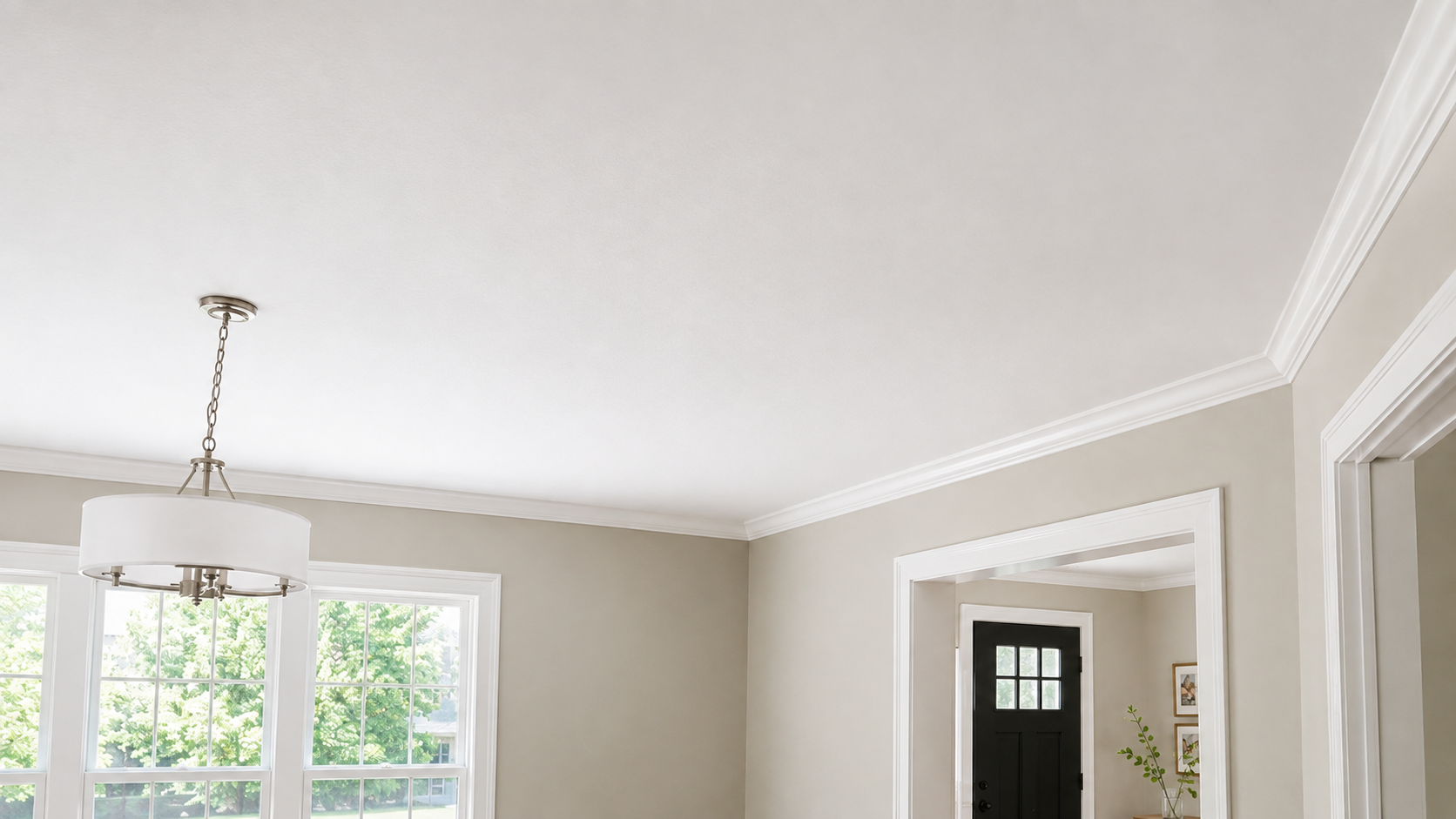
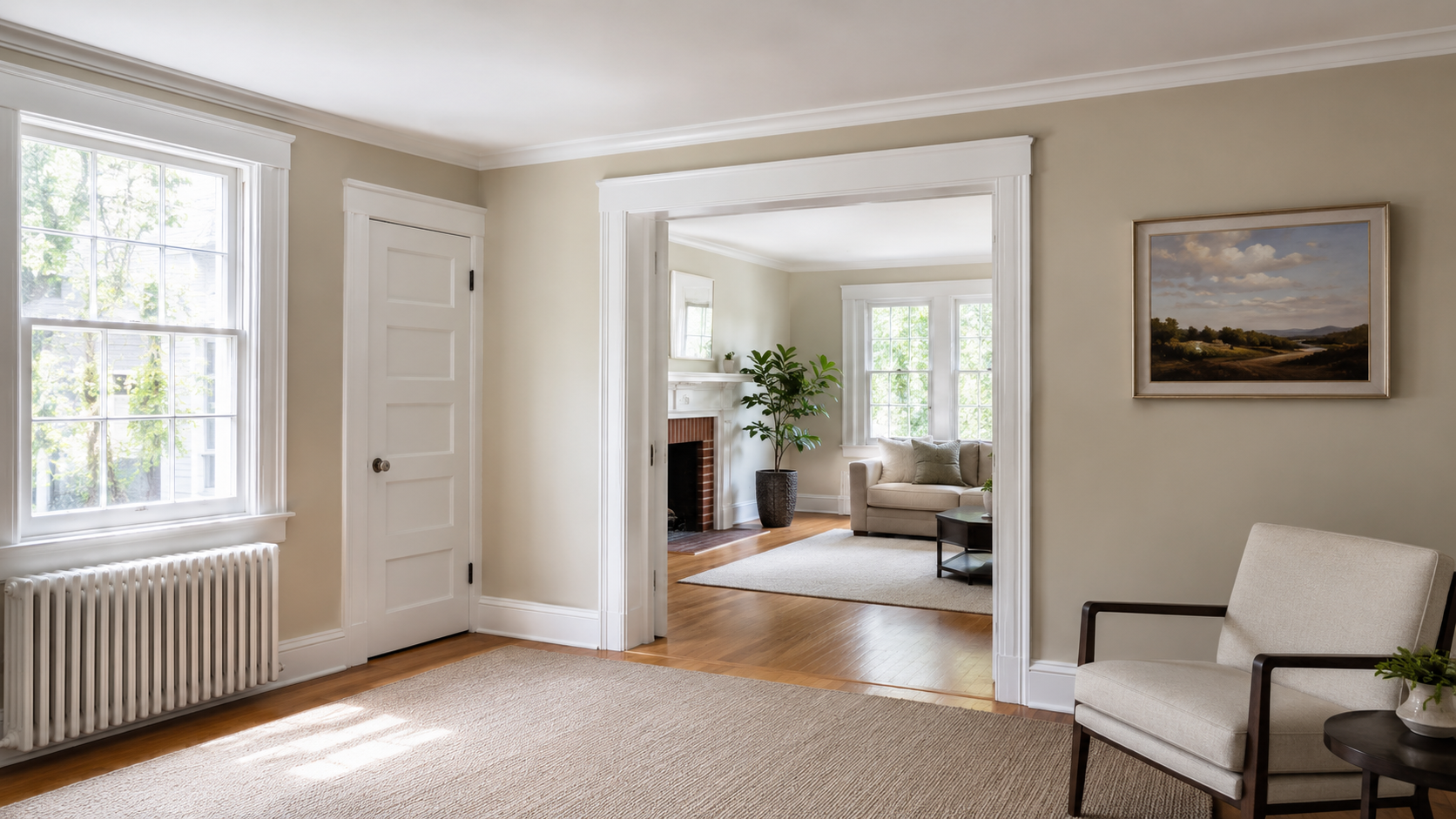
Trim includes more than the baseboards along the floor. Door casing, window casing, interior doors, crown molding, chair rail, picture rail, wainscoting, panel molding, stair rails, balusters, stringers, built-in shelving edges, and mantels can all be part of an interior trim painting project. These details shape how finished a room feels, even when they are not the first thing people notice.
Baseboards are usually the most common starting point because they run through almost every room and take a lot of wear from shoes, vacuums, furniture, and daily use. Door and window casing make a big visual difference because they sit closer to eye level and frame the openings in the room. Crown molding can help tie the wall and ceiling together, while chair rail, wainscoting, and panel molding are common in older Connecticut colonials and dining rooms.
The part homeowners often underestimate is how much detail trim has. A long baseboard may look simple, but stairs, paneled doors, wainscoting, and built-ins take more time because of the edges, corners, curves, and small surfaces. Trim is usually a bigger project than it looks at first.
What Painting Trim Does for a Room
Painting the walls and leaving older trim alone can make the room feel unfinished. Fresh wall paint creates contrast, and that contrast can make yellowed, chipped, or scuffed trim stand out more. This is one of the most common regrets after a partial repaint. The walls look new, but the edges of the room still look tired.
Fresh trim also helps brighten a space. White or light-colored trim reflects more light than darker wood or aged paint. This can make a noticeable difference in hallways, north-facing rooms, and older Connecticut homes with smaller windows. It does not change the size of the room, but it can make the space feel cleaner and more open.
Interior trim painting can also update dated millwork without replacing it. Honey-oak and dark stained trim from past decades can make a home feel older than the rest of the finishes. Painting stained trim white is one of the most requested changes because the result can be dramatic. It should be treated as a real design decision, though, because going from stained wood to painted trim is not a casual refresh.
Trim also takes more contact than most painted surfaces. Baseboards get hit by furniture and vacuums. Door casing and handrails collect marks from hands. Interior doors, stair parts, and built-ins see daily use. A properly prepared and painted finish is easier to clean and helps protect the surface underneath. In homes that have been updated in pieces over the years, one consistent trim color can also make different rooms, additions, and renovations feel more connected.
How Interior Trim Painting Works
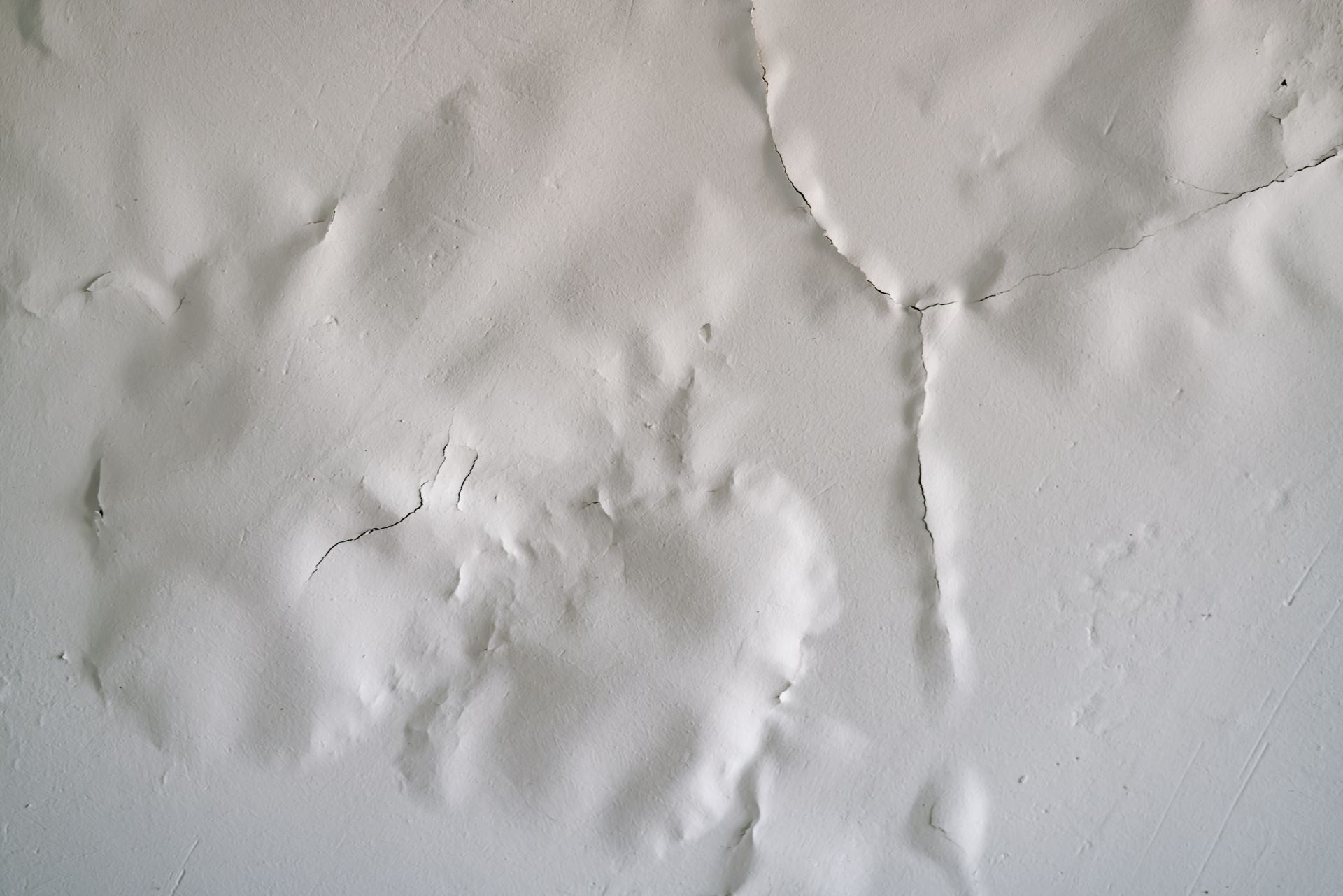
A good trim painting project starts with looking at what is already there. Capital Painters checks the condition of the trim, the amount of wear, the gaps, the old caulking, and the type of finish already on the surface. Older Connecticut homes may have oil-based trim paint, which needs the right prep before a new coating can bond well. When trim paint peels, it is often because the surface was too slick or dirty for the new paint to grip.
The room has to be protected before the work begins. Floors, walls, nearby furniture, and finished surfaces are covered. Door hardware is removed when needed instead of painted around. This matters because trim painting involves close detail work along walls, flooring, doors, and corners.
Cleaning and prep are also important. Trim collects residue from hands, dust, cooking, pets, and everyday use. Areas near kitchens, light switches, stair rails, and doorways often need more cleaning than people expect. Once the surface is clean, the existing finish is prepared so the new primer and paint can hold.
Nail holes, small gaps, seams, and joints are then filled or caulked where needed. This is one of the steps that makes trim look finished instead of rushed. Gaps between trim and walls can make even fresh paint look uneven, especially when light hits the room from windows or lamps.
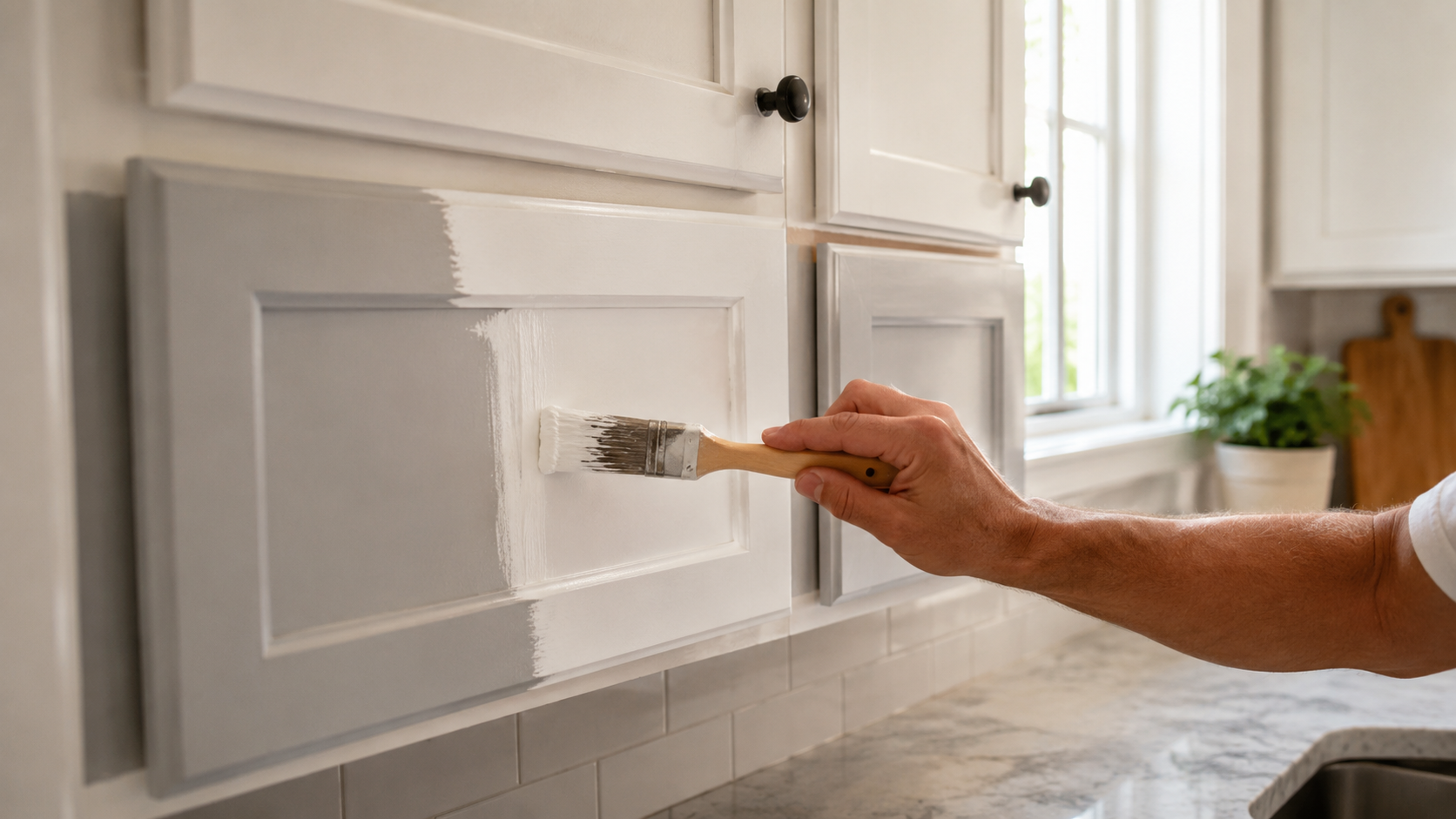
Primer helps with bonding, stain blocking, and creating an even base for the finish coats. After that, the trim is finished with two thinner coats rather than one heavy coat. Thin coats level better and are less likely to sag, drag, or show uneven marks. Interior doors are often included with trim projects, but they may be handled separately. When possible, doors are removed and painted flat so the finish can level more smoothly. Hardware is removed, and the edges are coated carefully so the finish holds up over time.
Choosing Trim Color and Sheen
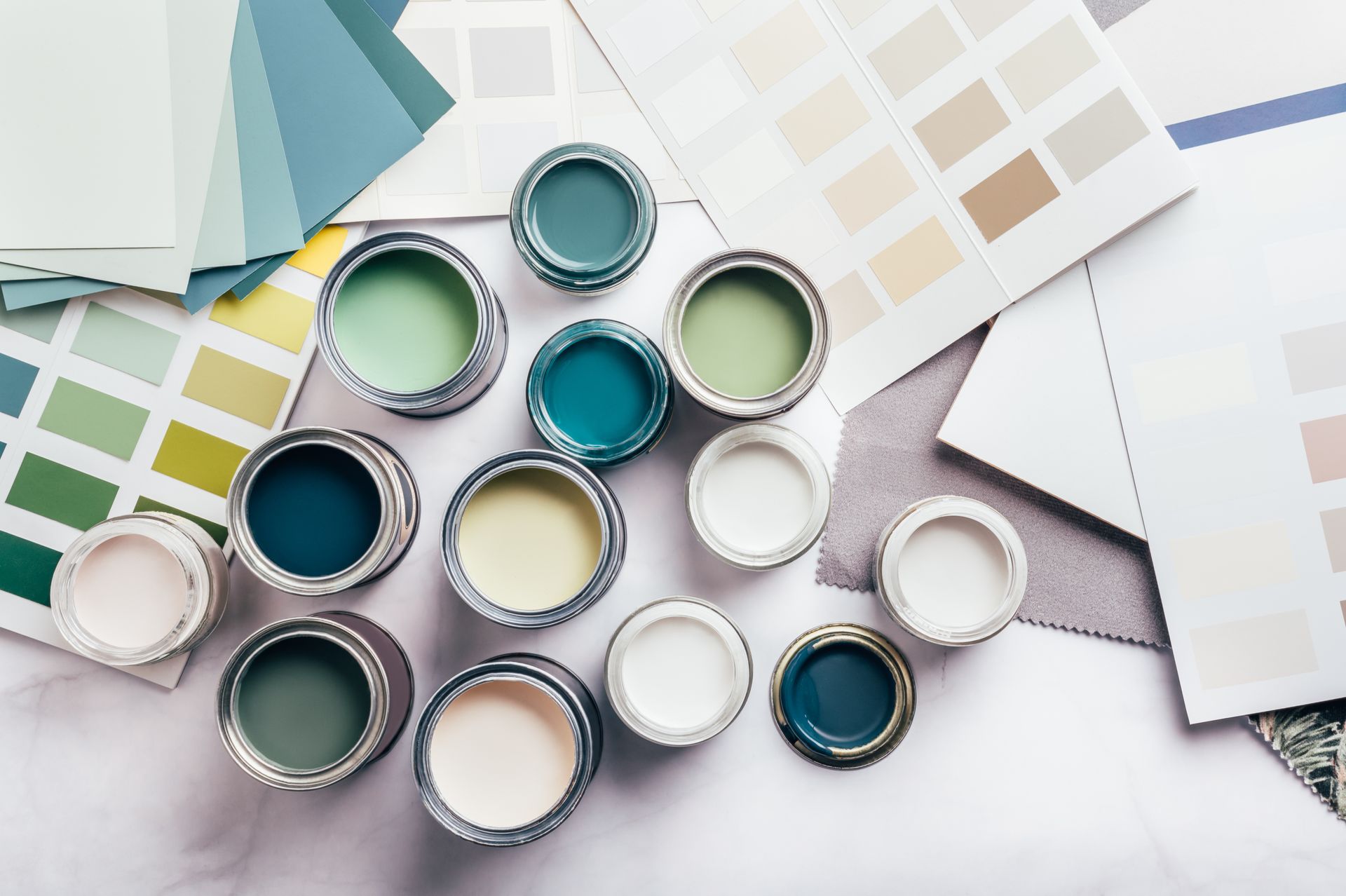
White is still the most common trim color, but not every white looks the same. A bright white can feel clean and crisp, especially in newer homes. A softer white can work better in older Connecticut homes with warmer wall colors, original woodwork, or traditional details. The goal is to choose a trim color that fits the room instead of picking the brightest white by default.
Trim can match the walls, contrast with them, or sit a few shades lighter. A lighter trim color is the safe choice for many rooms because it frames the walls without taking over. High contrast, such as white trim against a deep wall color, can look sharp, but it also shows imperfections more. At minimum, the trim in one room should feel consistent. Mismatched trim can make a room look unfinished even when the paint work is clean.
Sheen matters because trim gets touched more than walls. Satin is a good choice for older trim because it is more forgiving on small dents, waves, and imperfections. Semi-gloss works well on smoother trim, doors, baseboards, and areas that need more durability. High gloss can look polished, but it needs a very smooth surface underneath because it highlights every flaw. For homeowners comparing interior paint colors, trim color and sheen should be part of the same conversation as the wall color.
When It’s Worth Hiring Out
Interior trim painting is slow work. A room of walls may be finished quickly, but the trim in that same room can take longer because of the prep, edges, caulking, doors, and detail work. That is especially true with stair rails, wainscoting, crown molding, paneled doors, and built-ins.
It is also worth hiring out when the home was built before 1978. Trim work can involve sanding, and older painted surfaces may fall under EPA RRP lead-safe requirements. Homeowners should understand lead paint in older Connecticut homes before disturbing painted trim. Existing oil-based paint is another reason to be careful. If the old surface is not prepared correctly, the new finish can peel later.
Ready to Refresh Your Interior Trim?
If fresh walls are making old trim stand out, Capital Painters can help you decide whether interior trim painting is the right next step. The team provides interior painting services for homeowners throughout Greater Hartford and surrounding Connecticut communities, including West Hartford, Glastonbury, Newington, Wethersfield, Suffield, Avon, and Simsbury.
For help planning your trim project, request a free estimate. You can also learn more about what interior painting costs or review common interior paint problems before starting your next project.
Interior Trim Painting FAQ
Is interior trim painting worth it?
Yes, interior trim painting is often worth it when the walls have been repainted and the trim looks yellowed, chipped, scuffed, or dated. Fresh trim can make the room feel more complete without replacing the millwork.
Can stained wood trim be painted white?
Yes, stained wood trim can be painted white, but it needs proper prep so the finish bonds well. It is also a lasting design choice. Once stained wood is painted, returning it to a natural wood look is difficult and usually not practical.
Should trim be satin or semi-gloss?
Satin is a good option for older trim because it hides small imperfections better. Semi-gloss works well for smoother trim, doors, baseboards, and high-contact areas that need more durability. The right choice depends on the condition of the trim and the look you want.
Does interior trim painting include doors?
Interior doors are often included with trim painting, but they are usually treated as a separate part of the project. Doors may need to be removed, hardware taken off, edges painted, and surfaces finished carefully so they look clean and hold up.