How Long Does Exterior Paint Last in New England? Repainting Timelines for Connecticut Homes
Exterior paint typically lasts roughly 5 to 10 years nationally, but in New England’s freeze-thaw climate, most Connecticut homes land closer to 4 to 8 years. The exact timeline depends on siding type, prep work, paint quality, sun exposure, moisture, and how well the home has been maintained.
For homeowners in Greater Hartford, this matters because paint is more than curb appeal. It helps protect siding, trim, and exterior wood from moisture damage. This guide explains how long exterior paint lasts, what Connecticut weather does to painted surfaces, and when it may be time to repaint.
Repainting Timelines by Siding Type
How often you should repaint your house exterior depends heavily on the surface. Wood siding and trim usually need attention sooner than fiber cement or painted brick because wood absorbs moisture and expands and contracts with the weather.
Use these ranges as a general planning guide. Every home is different, and a shaded West Hartford colonial may age differently than a sunny Glastonbury home with heavy south-facing exposure.
| Surface | Typical Repaint Timeline | Notes |
|---|---|---|
| Wood siding and trim | Roughly 4 to 7 years | Most vulnerable to moisture and very common on older CT homes |
| Vinyl siding, painted | Roughly 5 to 10 years | Vinyl-safe colors matter, with fading more common than peeling |
| Aluminum siding | Roughly 5 years | Common on mid-century CT homes |
| Fiber cement | Roughly 10 to 15 years | One of the longer-lasting common siding surfaces |
| Stucco | Roughly 5 to 10 years | Depends on moisture exposure and surface condition |
| Painted brick or masonry | Roughly 15 to 20 years | Needs breathable coatings in freeze-thaw climates |
Connecticut’s older housing stock is one reason local repaint cycles can run shorter than national averages suggest. Wood siding, original trim, older coatings, and lead-paint-era exteriors are common across Hartford County, and those surfaces usually need more prep and closer attention.
What New England Weather Does to Paint
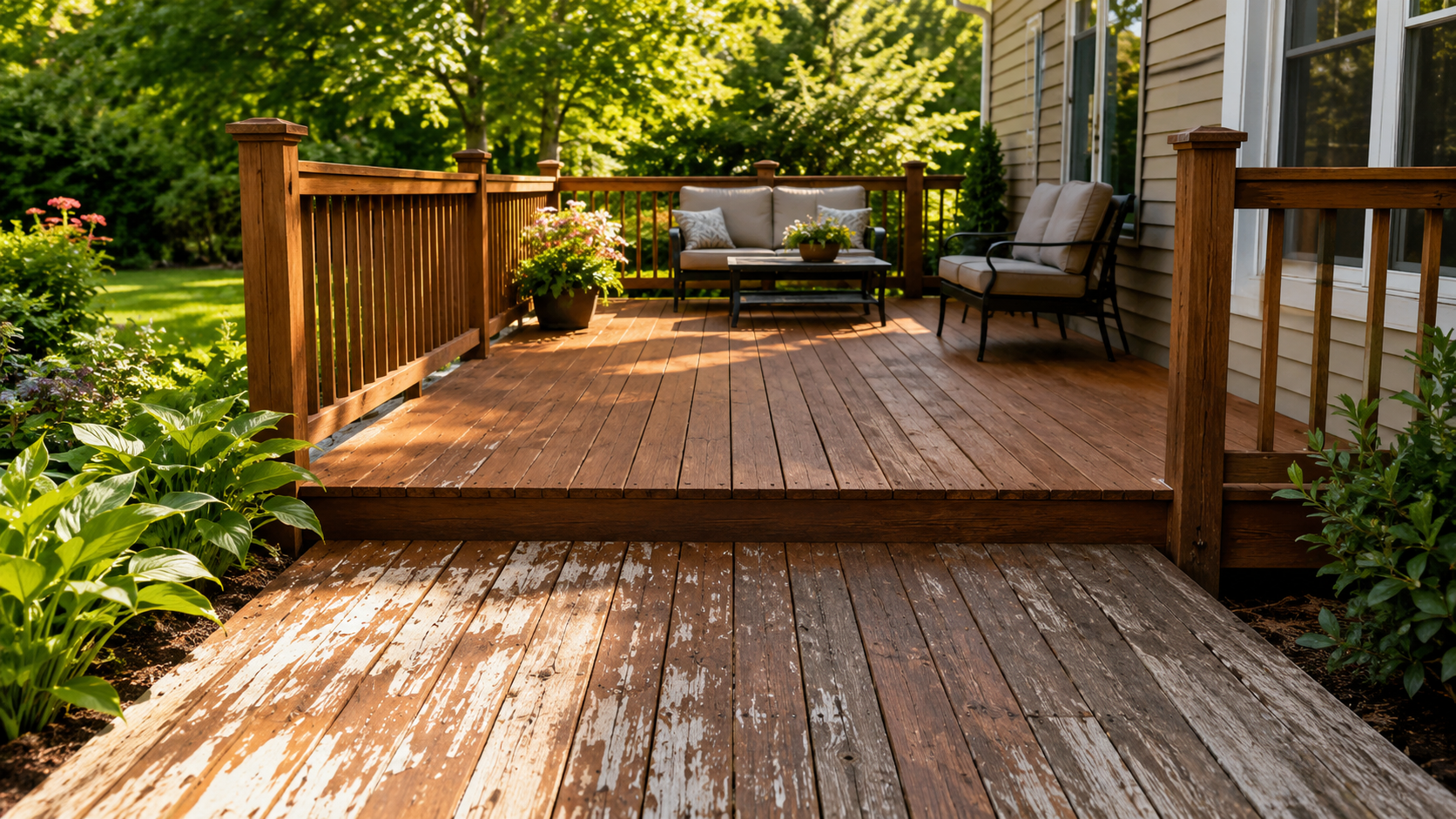
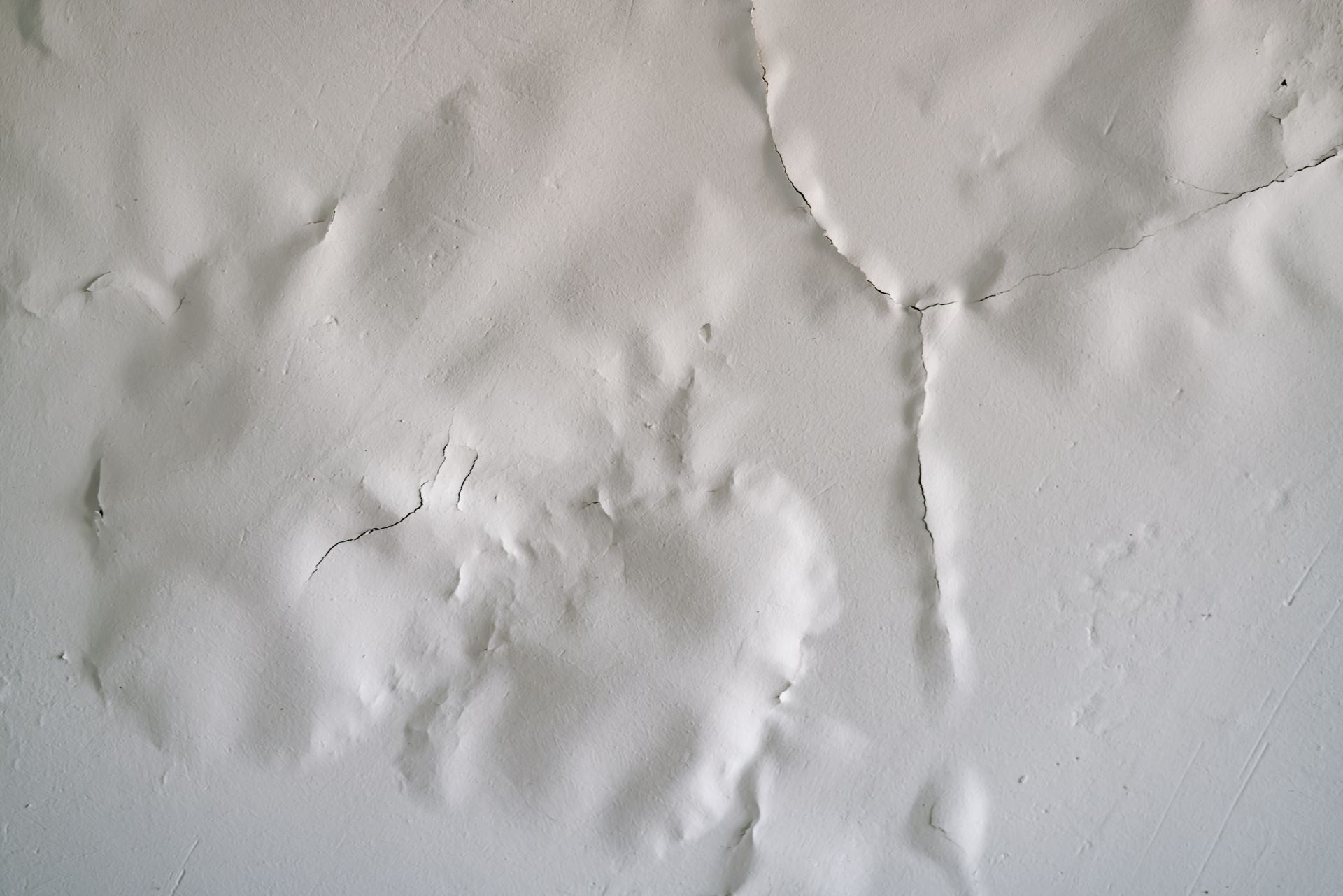
Freeze-thaw cycles are one of the biggest reasons exterior paint peeling shows up after winter. When moisture gets under paint through cracked caulk, exposed wood, old seams, or small surface cracks, it can freeze, expand, and push against the paint film. After enough cycles, small cracks become peeling, bubbling, or flaking paint.
That is why many Connecticut homeowners first notice paint problems in early spring. The damage may have started months earlier, but snowmelt, ice, and temperature swings make it more visible once winter breaks. This is especially common around window sills, trim edges, porch details, and older clapboard siding.
Humidity and storm moisture also play a role. Southern New England summers can be humid, and wind-driven rain from strong storms or Nor’easters can push water into weak spots. South-facing walls can fade faster from sun exposure, while shaded areas may be more likely to develop mildew. Shoreline homes may also deal with salt air, but for Greater Hartford homes, freeze-thaw cycles, humidity, and old wood surfaces are usually the bigger story.
For painted brick or masonry, the coating matters even more. In a freeze-thaw climate, masonry needs to breathe. Using the wrong coating can trap moisture and increase the risk of spalling, which is when the surface begins to chip, flake, or break apart.
What Makes Paint Last Longer Here
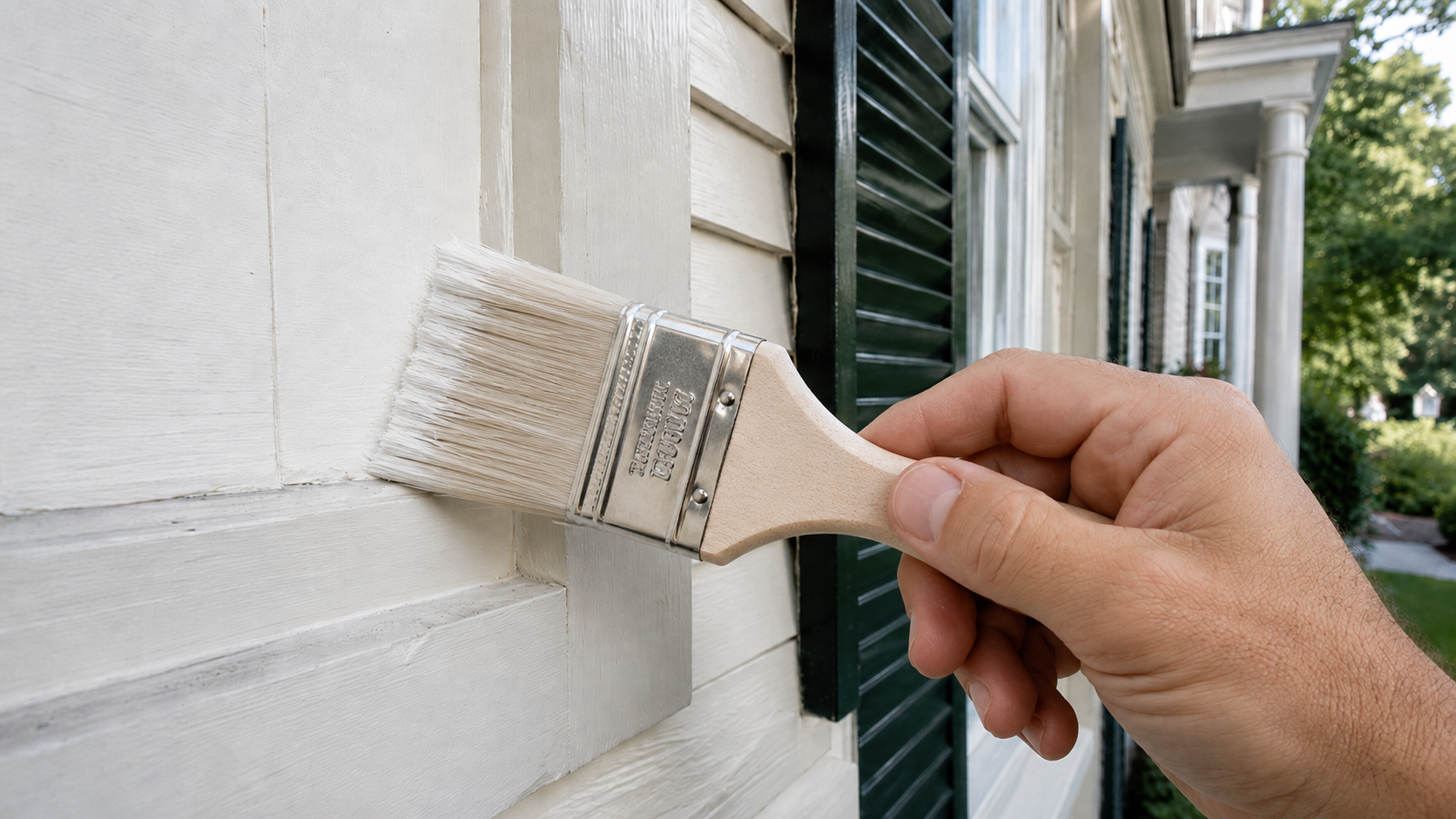
Prep work is the biggest factor in how long an exterior paint job lasts. Most paint failure is really prep failure. Scraping loose paint, sanding rough edges, priming bare wood, repairing small gaps, and caulking seams all help the new coating bond properly.
On older Connecticut homes, prep can also involve lead-safe practices. If a home was built before 1978, exterior repainting may require extra care when painted surfaces are disturbed. Before starting work on an older home, it helps to understand lead paint on older Connecticut homes and why proper containment matters.
Paint quality also affects lifespan. For New England weather, premium 100% acrylic latex exterior paints are often a strong choice because they stay more flexible through temperature swings. Products in the Benjamin Moore Aura, Regal Select, or Sherwin-Williams Duration class can cost more upfront, but better coverage, flexibility, and durability can help extend the life of the job.
Timing matters too. Paint should be applied when temperatures, surface moisture, and weather conditions are right. A rushed job before rain, during high humidity, or on damp wood can shorten the life of the finish. That is why why spring is a smart time to plan exterior painting is a useful topic for homeowners thinking ahead.
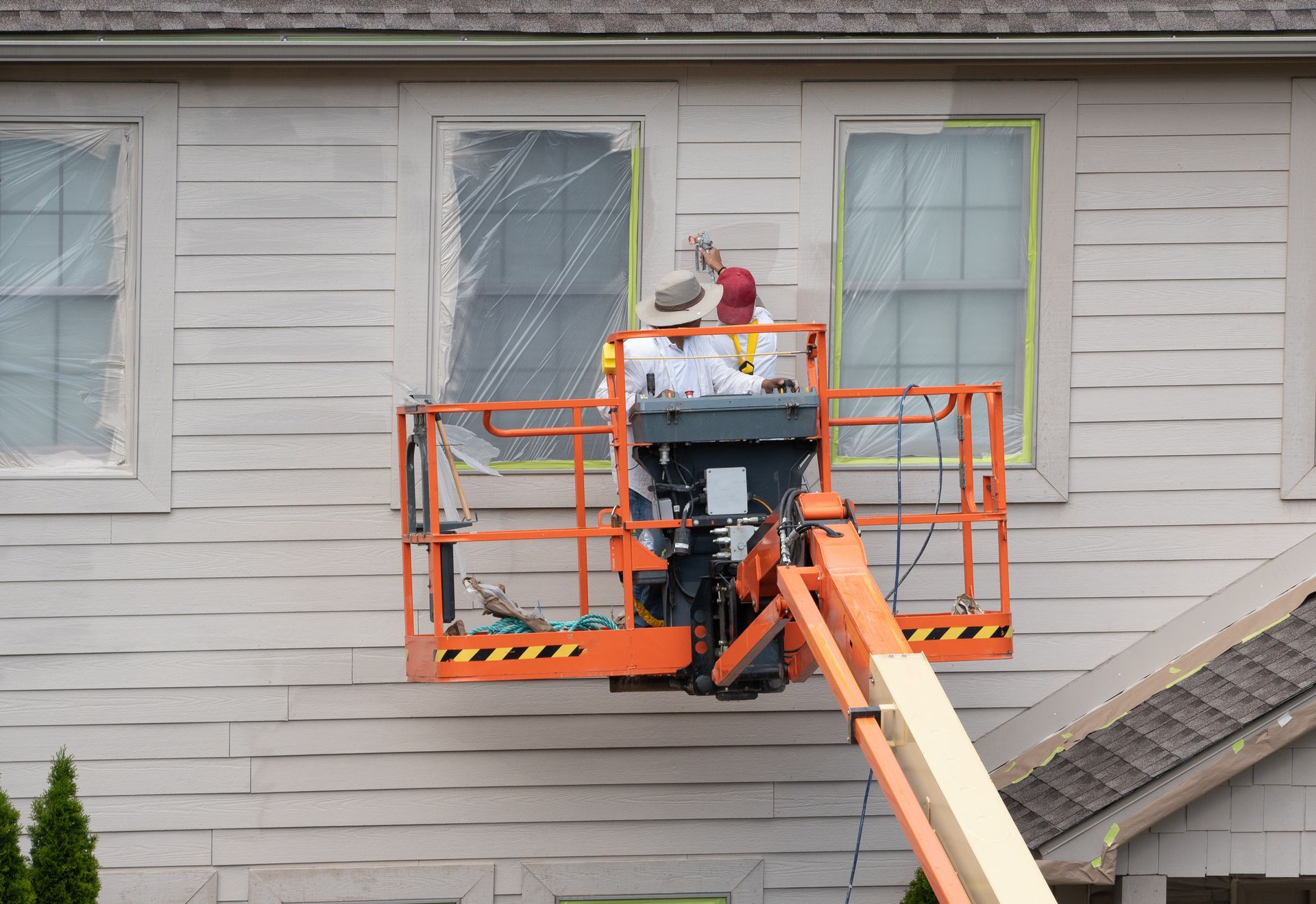
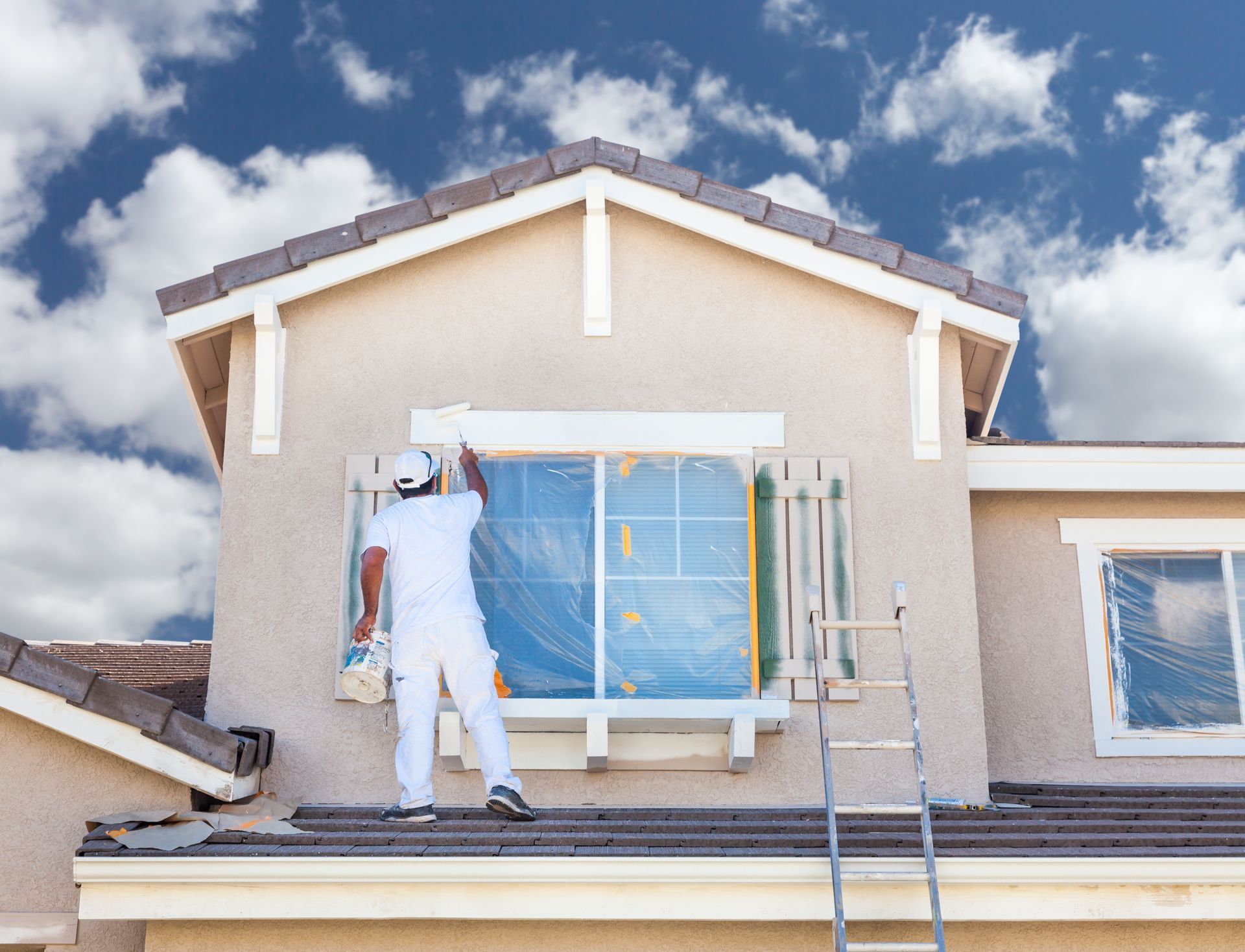
Capital Painters approaches residential exterior painting with the prep, product choice, and timing needed for Greater Hartford homes. A good exterior paint job is not just about changing color. It is about protecting the home through Connecticut weather.
Signs Your Home Is Due
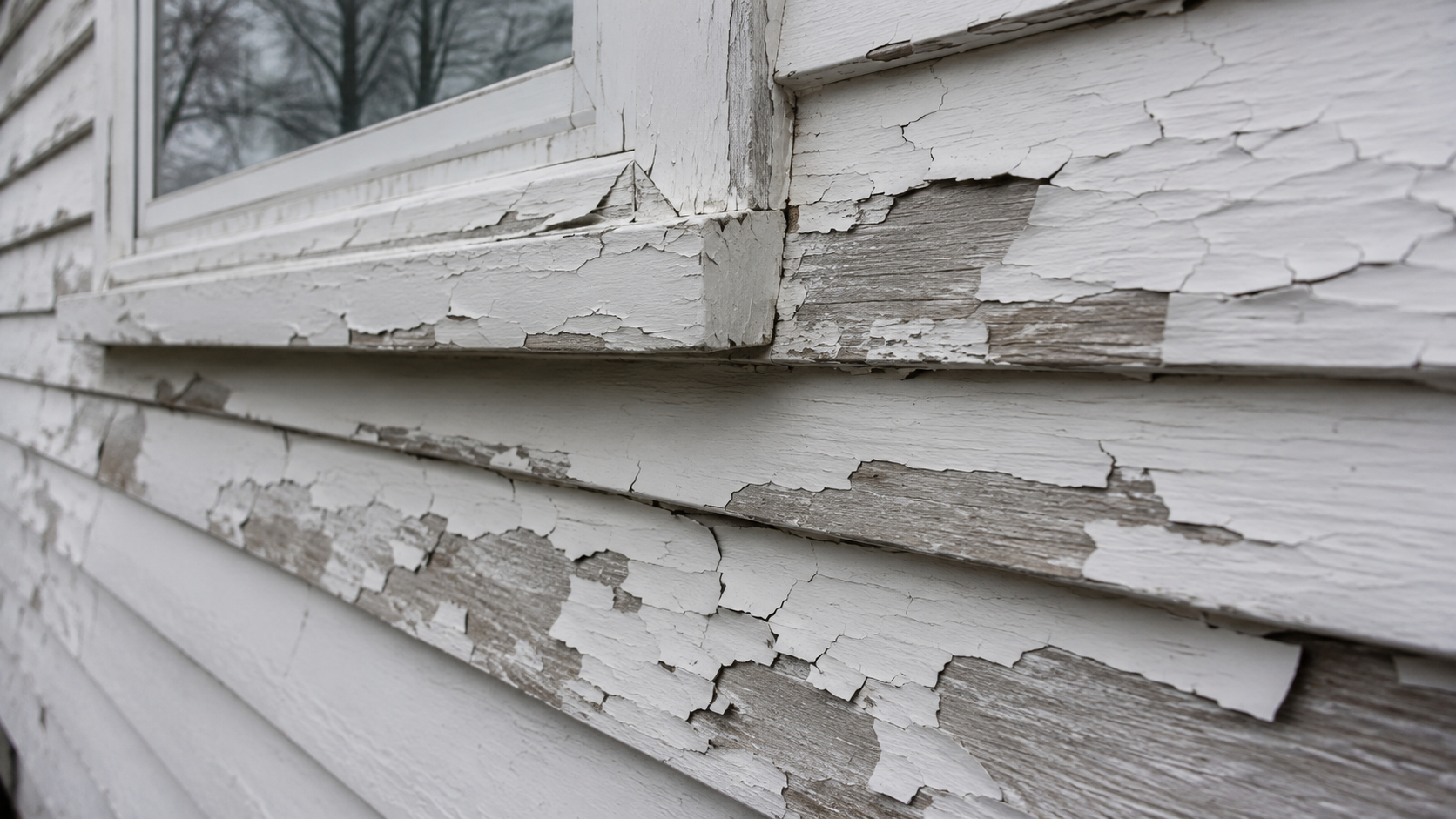
Exterior paint usually gives warning signs before it fully fails. Fading, chalking, cracking, peeling, blistering, exposed bare wood, mildew, and gaps at caulk lines are all signs that the coating is no longer protecting the home the way it should.
If you are not sure how serious the wear is, Capital Painters’ guide to 7 signs your walls are due for an update can help you spot common warning signs. Some issues are cosmetic, but peeling around trim, window sills, and siding edges can point to moisture getting behind the paint.
Waiting too long can make the project more expensive. Once paint stops acting as a weather barrier, moisture can reach siding and trim. At that point, repainting may also involve wood repair, extra sanding, deeper priming, or replacement work. For budgeting help, you can also review our Connecticut house painting cost guide before requesting an assessment.
Request an Exterior Painting Assessment
Capital Painters is based in West Hartford and helps protect Greater Hartford homes through every New England season. If your siding, trim, or exterior paint is showing signs of wear, request a free estimate or call (860) 218-9886 to schedule an assessment.
Common Home Painting Questions
How long does exterior paint last in Connecticut?
For many Connecticut homes, exterior paint lasts roughly 4 to 8 years. Wood siding and trim are usually on the shorter end, while fiber cement and painted masonry may last longer when prepared and coated correctly.
Why is my paint peeling after winter?
Peeling after winter is often caused by trapped moisture and freeze-thaw cycles. Water gets under the paint, freezes, expands, and pushes the paint away from the surface. Failed caulk, bare wood, poor prep, or damp surfaces can make the problem worse.
What is the best exterior paint for New England weather?
Premium 100% acrylic latex exterior paints are often a smart choice because they stay flexible through temperature changes. Product quality matters, but prep work, primer, caulking, and application timing are just as important.
How do I know if it is time to repaint?
Look for fading, chalking, cracking, peeling, blistering, exposed wood, mildew, or gaps around trim and caulk lines. A professional walk-around can help determine whether your home needs a full repaint or targeted touch-ups.